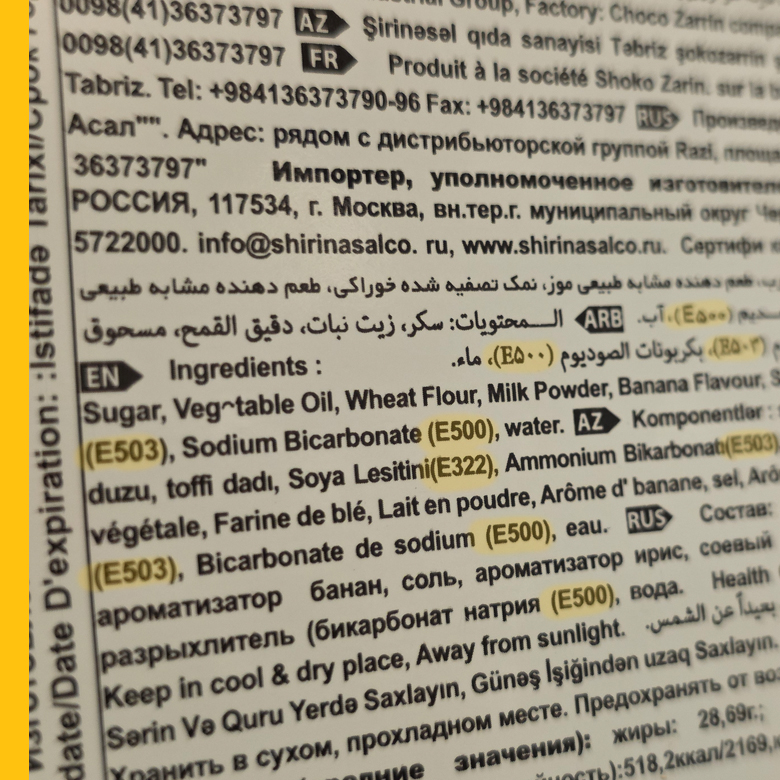
What Are E-Numbers? Understanding Food Additives, Safety & EU Regulations.
If you've ever looked at the ingredient list on a food package, you've probably noticed codes such as E300, E322, or E410. These identifiers—known as E-numbers—are often misunderstood and are sometimes mistakenly associated with artificial or unsafe ingredients.
In reality, E-numbers form one of the world's most transparent and scientifically regulated food additive systems. They exist to help manufacturers, regulators, and consumers identify approved food additives using a standardized coding system.
Let's take a closer look at what E-numbers really mean and why they appear on food labels.
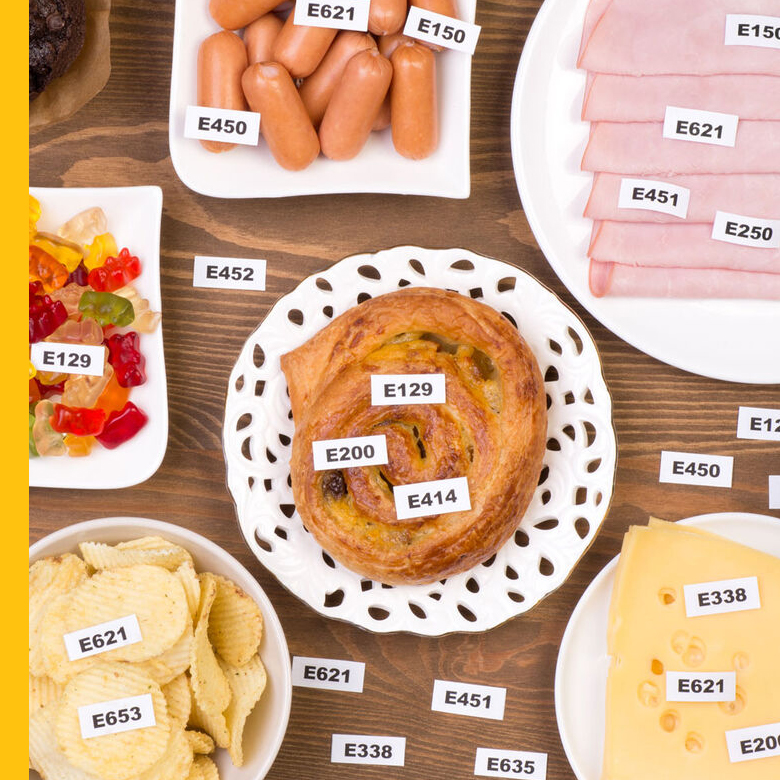
What Is an E-Number?
- An E-number is a unique identification code assigned to a food additive that has been scientifically evaluated and approved for use within the European Union.
- The letter "E" stands for Europe, indicating that the additive has undergone safety assessment and has been authorized under European food legislation.
- Rather than being a warning sign, an E-number indicates that the additive has been reviewed according to established scientific and regulatory procedures before being permitted for use in food.
What is a Food Additive?
A food additive is any substance that is not normally consumed as a food on its own but is intentionally added to perform a specific technological function.
Food additives may be used to:
- Improve shelf life
- Maintain food safety
- Control acidity (pH)
- Enhance texture
- Stabilize emulsions
- Prevent ingredient separation
- Improve color or appearance
- Preserve flavor
- Improve processing performance
Without food additives, many foods would have significantly shorter shelf lives, reduced stability, or inconsistent quality.

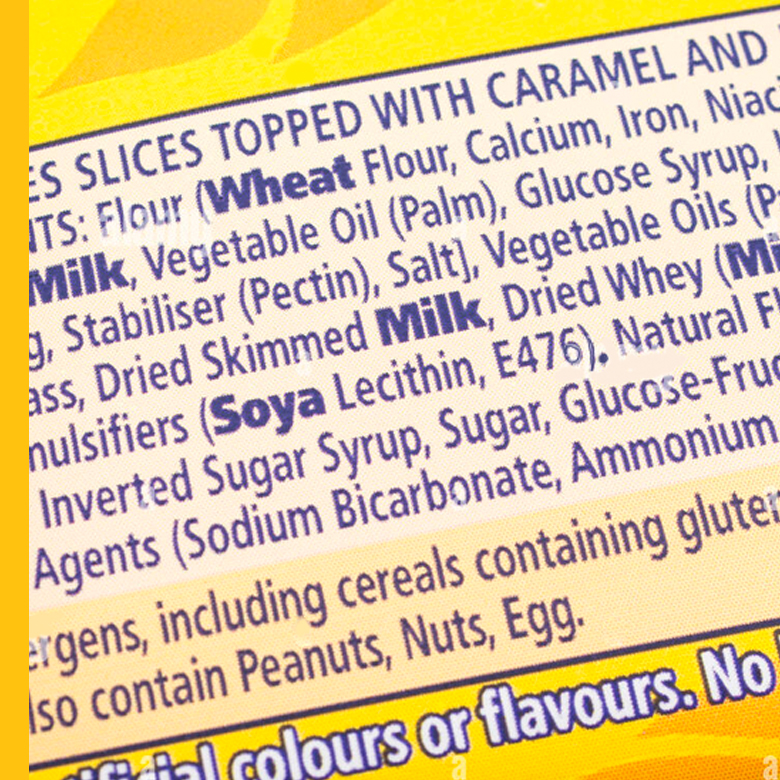
What Does an E-Number on a Label Tell You?
For food professionals, the presence of an E-number communicates several important points.
It indicates that the additive:
- Has undergone scientific safety assessment
- Is legally authorized for specific applications
- Has defined conditions of use
- Must comply with maximum permitted levels where applicable
- Is subject to ongoing regulatory oversight
An E-number is therefore not a warning label—it is evidence that the ingredient falls within a regulated framework established to protect consumers.
Why Use E-Numbers Instead of Chemical Names?
Many food additives have long, complex chemical names that can vary between languages.
Using standardized E-numbers provides:
- A consistent identification system
- Simplified food labeling
- Easier regulatory compliance
- Clear communication across multilingual European markets
- Greater transparency for manufacturers, inspectors, and consumers
Instead of listing lengthy chemical terminology, manufacturers can use a universally recognized code that corresponds to an approved food additives.
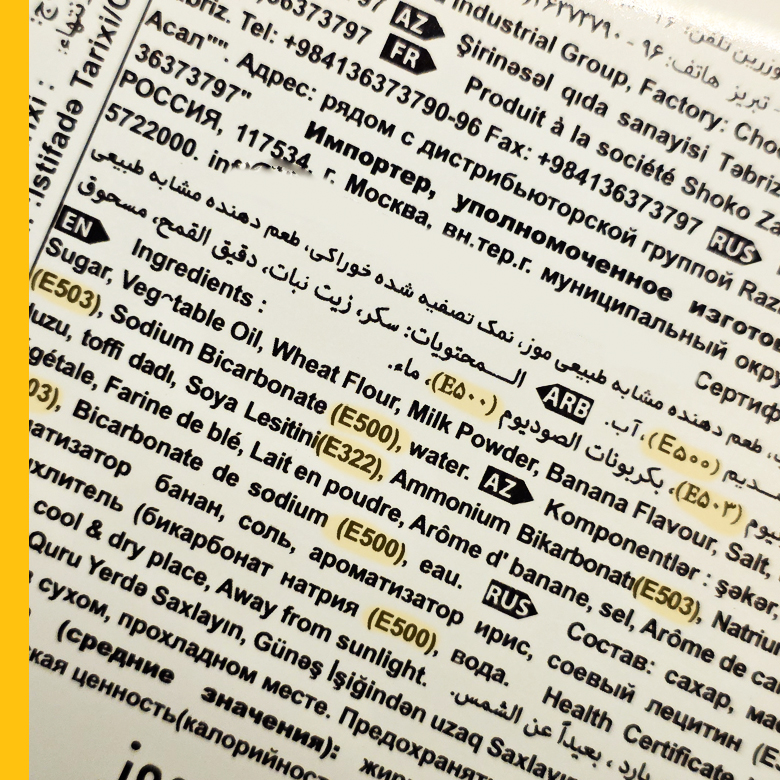
Who Determines Whether an E-Number Is Safe?
- Within the European Union, the scientific safety of food additives is evaluated by the European Food Safety Authority (EFSA).
- EFSA reviews extensive scientific data before an additive can receive approval. Only additives demonstrated to be safe under their intended conditions of use are included in the EU's positive list of authorized food additives under Regulation (EC) No. 1333/2008.
Safety evaluations consider factors such as:
- Toxicological studies
- Dietary exposure
- Intended food applications
- Maximum permitted levels
- Acceptable Daily Intake (ADI), where applicable
Approved additives continue to be monitored, and scientific opinions are updated whenever new evidence becomes available.
Why Understanding E-Numbers Matters
- Whether you're a food manufacturer, product developer, or consumer, understanding E-numbers helps you interpret food labels more accurately and avoid common misconceptions.
- Food additives are selected for specific technological purposes, and when used in accordance with regulatory requirements, they help manufacturers produce foods that are safe, stable, consistent, and high in quality.
- Looking beyond the code itself allows for a more informed understanding of how modern food products are formulated and regulated.