
5 Questions about Guar Gum: How many can you get right?
Guar gum is one of the most widely used natural hydrocolloids in the food industry. Although it often appears quietly on ingredient labels, it plays a significant role in improving texture, stability, and product consistency across a wide range of food applications.
How much do you know about this versatile ingredient? Test your knowledge with these five common questions.
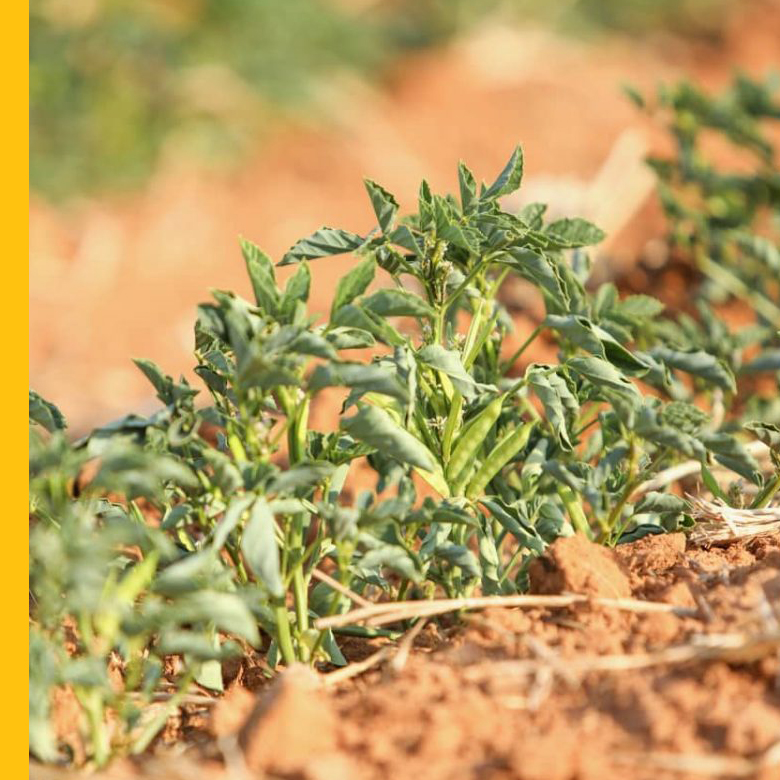
1. What is Guar Gum?
- Guar gum is a natural, water-soluble fiber extracted from the seeds of the guar plant (Cyamopsis tetragonoloba). It is valued for its exceptional thickening and stabilizing properties, making it one of the most commonly used hydrocolloids in food manufacturing.
- Because it hydrates quickly and delivers high viscosity even at low concentrations, guar gum is frequently used to improve texture and consistency in food products. It is often compared to other plant-based hydrocolloids such as locust bean gum due to their similar functional properties.
2. How Is Guar Gum Produced?
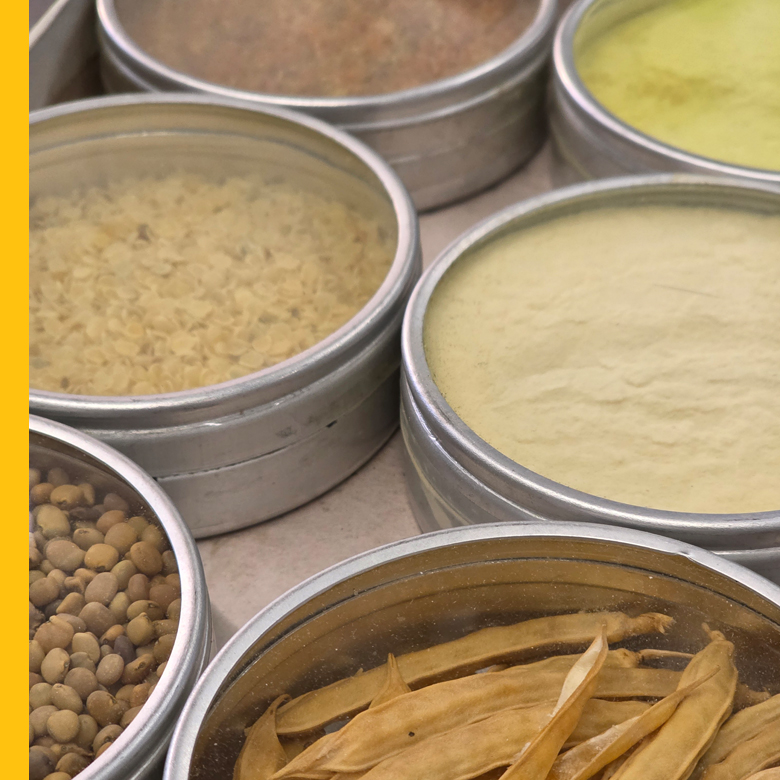
The production process begins by cleaning and roasting guar seeds. The seeds are then mechanically processed to separate the endosperm, commonly known as guar splits, from the husk and germ.
These guar splits are hydrated, flaked, finely milled, dried, and graded based on particle size, viscosity, hydration rate, and color. The result is a high-quality guar gum powder suitable for a variety of food and industrial applications.
3. Why Is Guar Gum Used in Food Products?
-
Guar gum is primarily used as a thickener and stabilizer, helping manufacturers improve product quality while maintaining consistency throughout shelf life.
Its main functional benefits include:
- Increasing viscosity
- Improving texture and mouthfeel
- Preventing water and fat separation
- Creating a smooth, creamy consistency
- Enhancing product stability
- Supporting certain gluten-free formulations
Even small amounts can significantly improve the overall performance of a formulation.
4. Which Products Commonly Contain Guar Gum?
Guar gum is used across numerous industries, but it is especially valuable in food manufacturing.
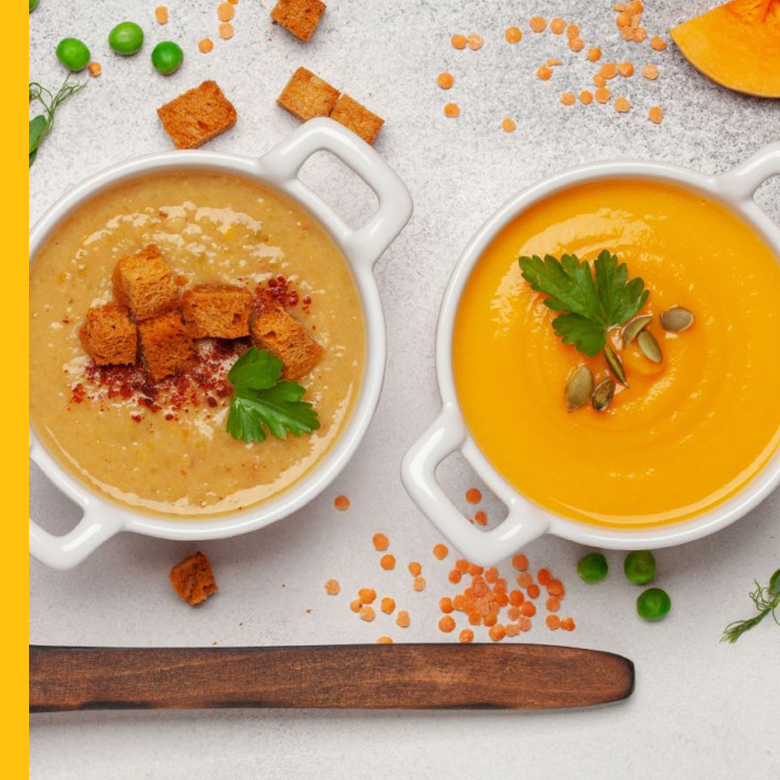
You'll commonly find it in: Soups, Sauces, Ice cream, Yogurt, Dairy products, Plant-based beverages, Salad dressings, Marinades, Bakery products, Frozen desserts
It is particularly effective in almond, oat, soy, and coconut beverages, where it helps prevent ingredient separation while creating a smoother texture.
Outside the food industry, guar gum is also used in pharmaceutical, cosmetic, textile, paper, and oil drilling applications.
5. How Does Guar Gum Help Reduce Production Costs?
One of guar gum's greatest advantages is its efficiency. Because it provides excellent thickening performance at very low usage levels, manufacturers can optimize formulations without sacrificing quality.
Its ability to improve product stability and extend shelf life also helps reduce food waste and manufacturing losses, making it a practical and cost-effective ingredient for many food applications.