
All You Need to Know to Master Acacia Gum
What is Gum Acacia?
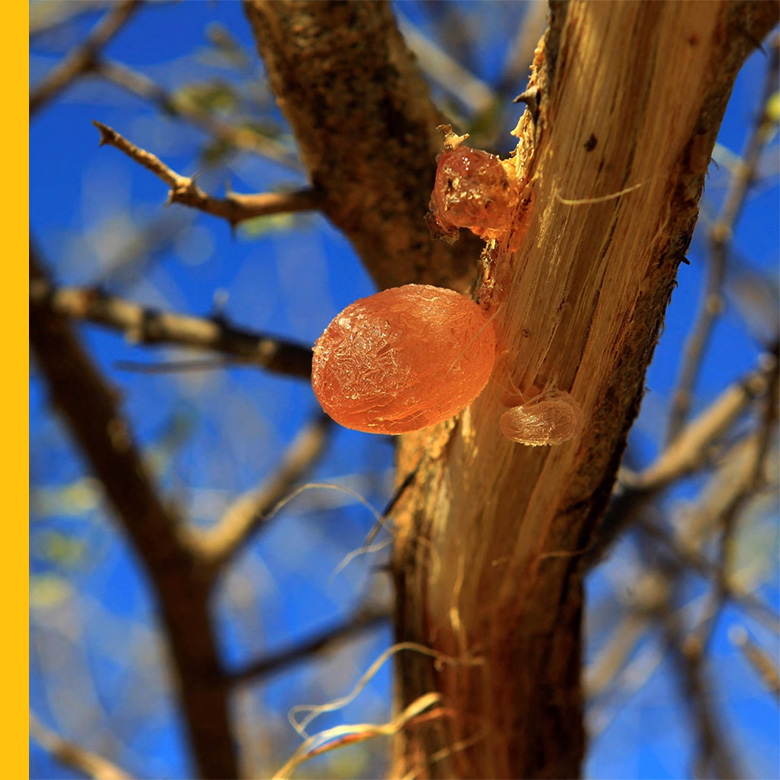
- Acacia gum, also known as gum Arabic, is the most popular exudate gum largely obtained from the hardened sap of the Senegalia (Senegal) and Vachellia (Seyal) species of the acacia tree.
- It exhibits microencapsulation, stabilizing and unique emulsifying action. Its emulsifying property is due to presence of protein in its structure.
- Found in the acacia gum belt of Africa: 19 nations from Sudan through Chad, up to Nigeria. Sudan, Ethiopia, and Kenya are leading producers.
- Acacia gum is 100% plant-based and natural.
- The sap is typically pale to orange-brown in color and graded after harvest. Gums that form whole or round tears and are orange-brown are deemed the highest quality.
- It is a polysaccharide hydrocolloid, meaning it forms a gel in water
- Its precise chemical makeup varies depending on the acacia species and growing conditions.
How is gum acacia made?
- Its production from Acacia tree is caused by external stress or injury on the tree bark. Labors are required for manual collection and sorting of the gum.
- In commercial production, a deliberate cut about two feet long is made in the tree bark during summer, resulting in the formation of 20 g to 2 kg of acacia gum within 4–8 weeks. The yield of acacia gum generally depends on the climatic conditions such as temperature and rainfall.
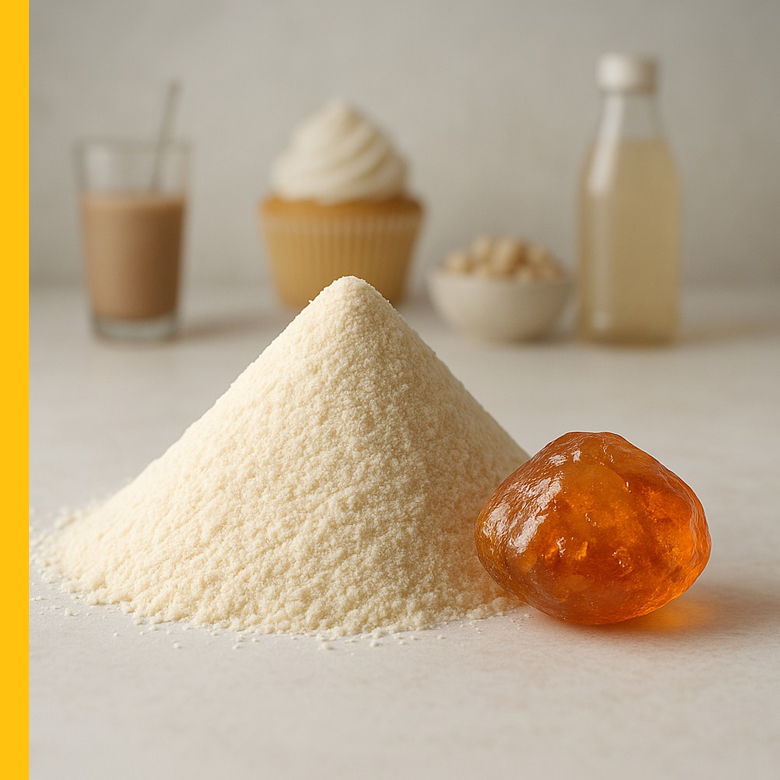
- It can be processed in different ways. Crude gum may be hammered into small bits, forming a popular consumer product and is sold worldwide. The gum may be pulverized into a powder resembling flour, which is sold for use in confections.
- It may be processed into a spray-dried form, in which crushed gum is dissolved in hot water and impurities are filtered out. The liquid is then sprayed into a stream of hot air, evaporating the water and leaving the powdered gum at the bottom of the dryer.
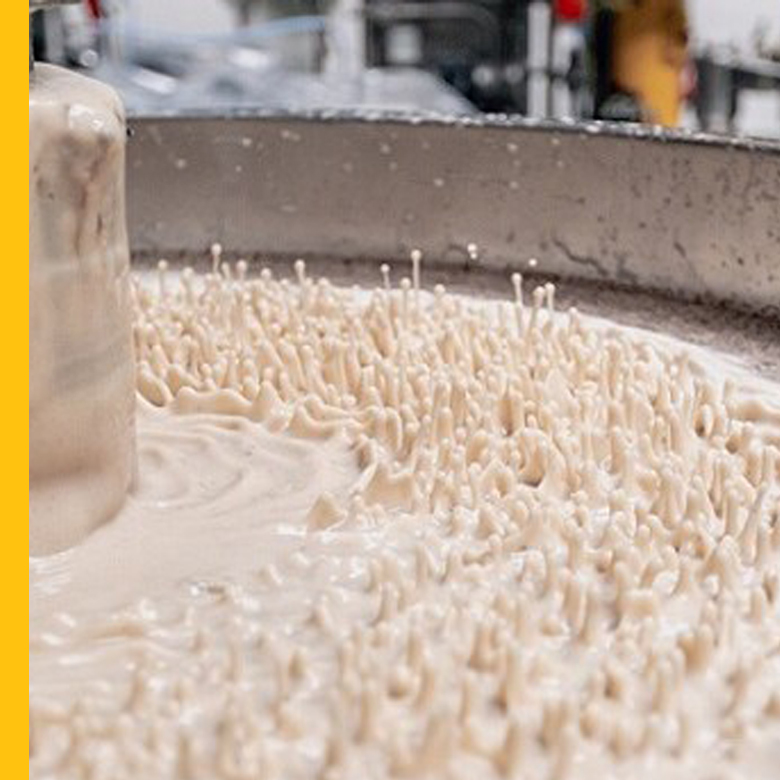
What industries is it used in?

Why is gum acacia used in food?
- Gum acacia is used as a food stabilizer, emulsifier or thickener, improving the texture of food products without affecting other qualities such as taste. It also acts as a binding, or coating agent.
- It has as many clean-label attributes.
- It is calorie-free, grown without pesticides, and both kosher and halal.
- It provides texture to gum candies, prevents sugar crystallization, emulsifies chocolate, and coats glazed sweets and cereals. It also preserves the flavor of cola and citrus beverages, prevents pulp from sinking in fruit drinks, and stabilizes beer foam.
What are some applications of Acacia in the food industry?
- Found in wine, chewing gum, yogurts, sodas, soups, baked goods, dried egg products, seasoned and coated nuts, dairy products and sugar-free confectionary, hard or soft candies, fruit paste, jellies, sauces, ice cream etc.
- Common uses include providing texture to gum candies, preventing sugar crystallization, acting as an emulsifier in chocolate, and coating glazed and filled sweets and cereals. In beverages, it preserves flavor in cola and citrus drinks, prevents pulp from sinking in fruit drinks, and stabilizes beer foam. acting as an emulsifier in chocolate, and forming a coating for glazed and filled sweets and cereals.
How does the production and use of gum acacia impact the environment?
Gum acacia has a positive impact on the environment. Acacia trees nourish the soil by fixing nitrogen and restoring fertility. The trees give shelter and shade to farmers and farm animals, while naturally producing gum acacia. The trees are sustainable and prevent desertification, soil disintegration and erosion.
What is the History of Acacia?
Acacia gum is an ancient gum and its use in human civilization has been reported in the history around 5000 years ago. Earlier, it was utilized in paints and cloth wrapping of mummies for its good adhesive characteristic.
Ancient civilizations used this additive in diverse ways in their foods and medicines, from making desserts to treating hemorrhoids.
How does gum acacia make food more affordable?
Gum acacia makes foods more affordable through its ability to act as an emulsifier and stabilizing agent. This makes foods last longer (longer shelf-life). It is also a sustainable additive which makes it cheaper to use than other, more expensive, alternatives.

What are the health benefits of Acacia Gum?
This gum is beneficial in several health problems such as obesity, heart disease, diabetes, renal and colon related problems. Acacia gum is high in fiber with 90 percent soluble fiber in dry extract and is a natural prebiotic. It’s most often been linked to stomach health and may help with digestion and ease certain symptoms, such as diarrhea. Researchers found acacia gum may help lower glucose levels at certain times; relieves pain and irritation; soothes coughs and sore throats