
6 Types of Emulsifiers Used in Food Processing
Emulsifiers are among the most important functional ingredients in modern food manufacturing. They make it possible to combine ingredients that naturally separate—such as oil and water—while improving texture, stability, mouthfeel, and shelf life.
However, not all emulsifiers perform the same way. Each category has unique functional characteristics, making it better suited for specific products and processing conditions.
Here is a practical guide to six of the most common types of emulsifiers used in the food industry.

1. Dairy Protein Emulsifiers
- Dairy proteins are naturally surface-active molecules that can stabilize oil-in-water emulsions while contributing to the creamy texture and rich flavor expected in many dairy products.
- Examples: Whey proteins, Casein, Caseinates
- Key characteristics:
- Excellent emulsifying capacity
- Creamy dairy mouthfeel
- High nutritional value
- Sensitive to pH changes and excessive heat during processing
- Typical Applications
-
- Dairy beverages
- Cream liqueurs
- Ice cream
- Cheese products
- Coffee creamers
- Nutritional beverages
2. Vegetable Protein Emulsifiers
- As demand for plant-based foods continues to grow, vegetable proteins have become increasingly important as multifunctional ingredients. Besides contributing protein, they also provide emulsification and stabilization in many formulations.
-
Examples: Pea protein, Soy protein, Faba bean protein
-
Key characteristics:
- Suitable for vegan and plant-based products
- Good emulsifying functionality
- Supports clean-label product development
- Broad formulation flexibility.
- Typical applications:
- Plant-based milk alternatives
- Vegan mayonnaise
- Meat alternatives
- Nutritional beverages
- Dairy-free desserts
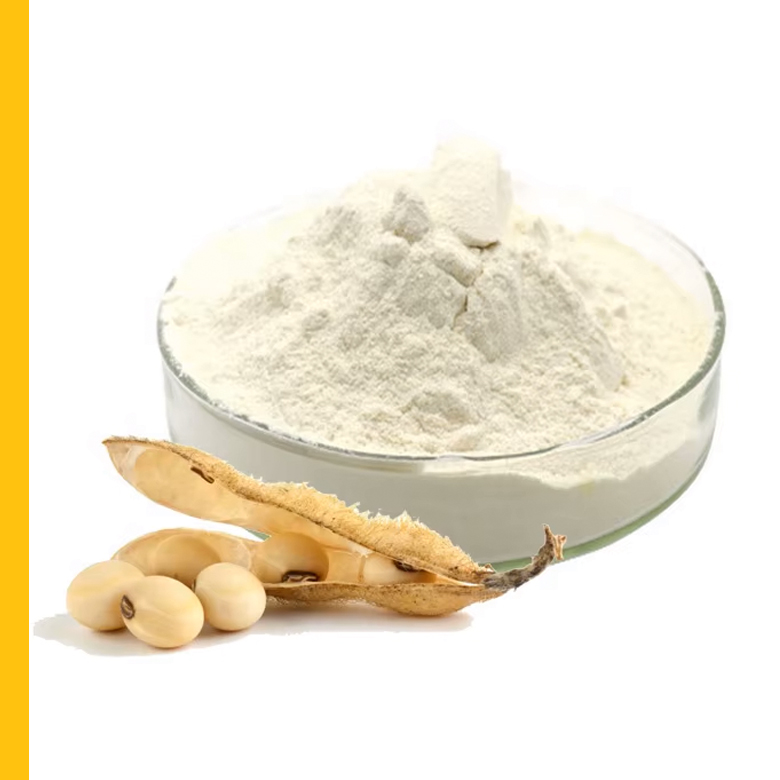

3. Phospholipid Emulsifiers
- Phospholipids are among nature's most effective emulsifiers because each molecule contains both water-loving and oil-loving components. This unique structure enables them to stabilize emulsions efficiently.
-
Examples: Egg yolk phospholipids, Soy lecithin, Sunflower lecithin
-
Key characteristics:
- Naturally derived
- Excellent emulsifying performance
- Good tolerance across a wide pH range
- Supports clean-label formulations
- Typical applications
- Chocolate
- Bakery products
- Margarine
- Salad dressings
- Instant powders
- Sauces
4. Fat-Derived Emulsifiers
- These emulsifiers are among the most widely used ingredients in commercial food manufacturing due to their versatility and highly controllable functionality. Many are classified as approved food additives and may appear on ingredient labels with E-numbers, depending on regional regulations.
-
Examples: Mono- and diglycerides, Esters of mono- and diglycerides
- Key characteristics:
- Adjustable Hydrophilic-Lipophilic Balance (HLB)
- Excellent processing stability
- Highly versatile
- Suitable for a wide variety of food systems
- Typical applications
- Bread
- Cakes
- Margarine
- Ice cream
- Whipped toppings
- Processed foods


5. Carbohydrate-Derived Emulsifiers
- These emulsifiers offer excellent flexibility because their functionality can be tailored by modifying their chemical structure, allowing formulators to optimize performance for different products.
-
Examples: Starch esters, Sucrose esters, Polysorbates
-
Key characteristics
- Adjustable HLB values
- Excellent emulsion stability
- Effective across numerous formulations
- Suitable for complex processing conditions
-
Typical applications:
- Soft drinks
- Flavored beverages
- Bakery products
- Confectionery
- Dairy desserts
- Beverage emulsions
6. Hydrocolloids with Emulsifying Properties
-
Although hydrocolloids are primarily known as stabilizers and thickening agents, certain hydrocolloids also exhibit valuable emulsifying properties or help stabilize emulsions by increasing viscosity and preventing droplet movement Acacia gum is particularly well known for its excellent emulsifying performance in beverage emulsions.
-
Examples: Mono- and diglycerides, Esters of mono- and diglycerides
- Key characteristics:
- Naturally derived
- Improve emulsion stability
- Enhance viscosity and mouthfeel
- Particularly effective in beverage applications
- Typical applications
- Citrus beverages
- Flavor emulsions
- Functional drinks
- Syrups
- Confectionery
- Beverage concentrates